
Bonjour and welcome to our guide to the UNESCO World Heritage Sites in France. As of 2026, there are 56 of them, from prehistoric caves and Roman monuments to medieval abbeys, historic city centers and protected landscapes. If you're wondering which ones to visit, this region-by-region guide will help you choose the places that suit your interests and fit naturally into your trip.
For a first visit to France, Paris, Versailles, Mont-Saint-Michel and the Loire Valley are wonderful places to begin. If you love Roman history, head for Arles, Orange and the Pont du Gard. The Vézère Valley in the Dordogne is a fascinating introduction to prehistoric France, while Burgundy, Bordeaux and Saint-Émilion bring together heritage, beautiful countryside, regional food and centuries of winemaking.
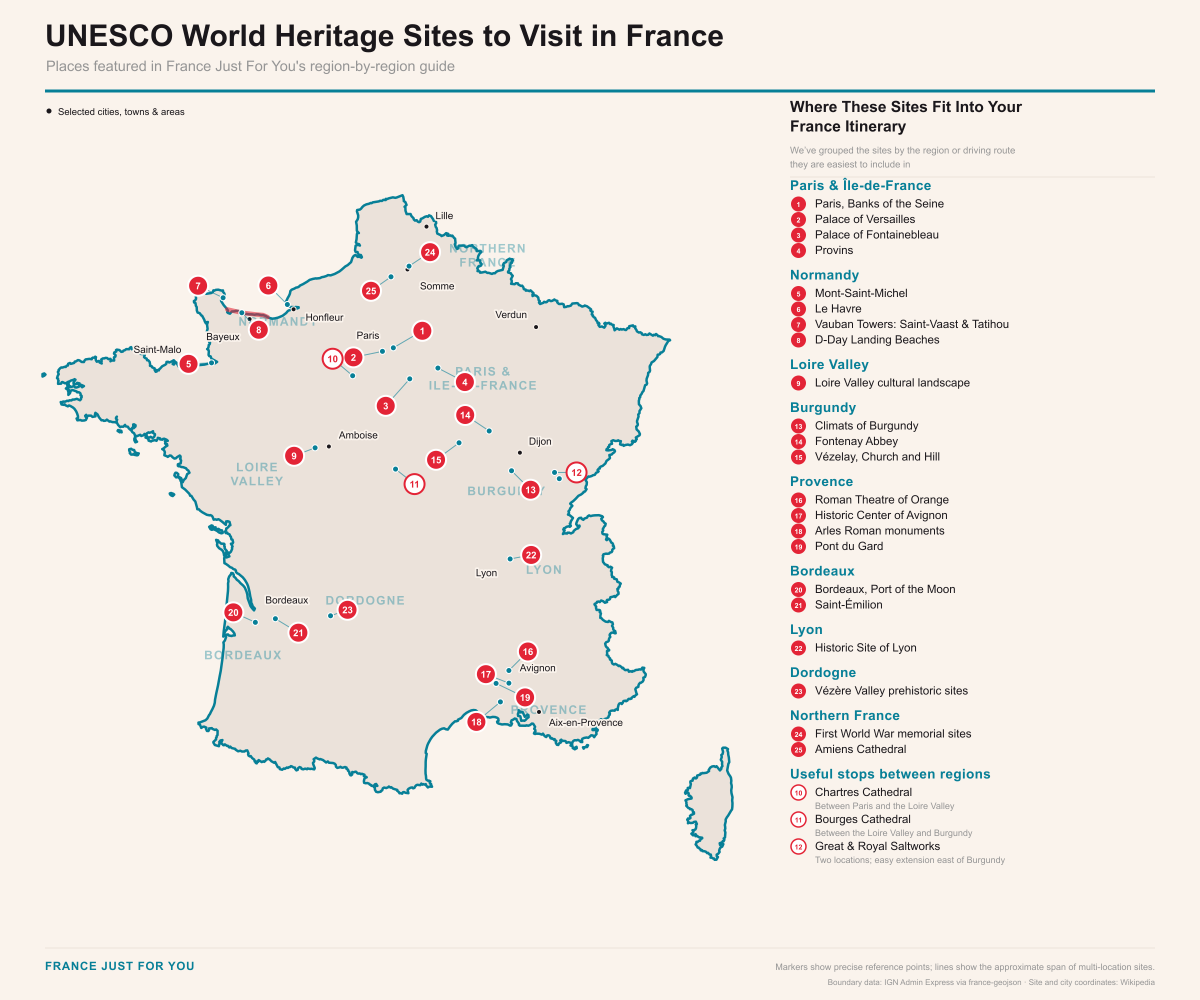
Best UNESCO Sites in France by Interest
- First trip to France — Paris, Versailles, Mont-Saint-Michel, the Loire Valley châteaux
- Roman history — Arles, Orange, the Pont du Gard
- Prehistory — the Vézère Valley caves, Dordogne
- Wine and countryside — Burgundy, Bordeaux, Saint-Émilion
- Cathedrals and Gothic architecture — Chartres, Bourges, Amiens
- World War history — the D-Day Landing Beaches in Normandy (inscribed 2026), and the WWI funerary and memorial sites of the Western Front, in the Somme, Verdun and the Meuse-Argonne


Many of our travelers are interested in France's World War history. The D-Day landing beaches in Normandy joined the UNESCO World Heritage List in July 2026, and we include them on many of our self-drive tours of Normandy alongside the WWI memorial sites of the Somme and Verdun.
Most of France's UNESCO sites are outside the big cities, which is exactly why we love exploring them by car. Traveling at your own pace lets you link several sites together and discover the smaller towns and villages that most visitors drive straight past.
We live in France and travel through these regions regularly, so we've organized this guide around the things you actually need to know: why each site is worth your time, how long to allow, where to stay nearby, and what pairs well with it.
Our hope is that you'll plan a trip that feels unhurried and rewarding, visiting a few sites that best match your interests.
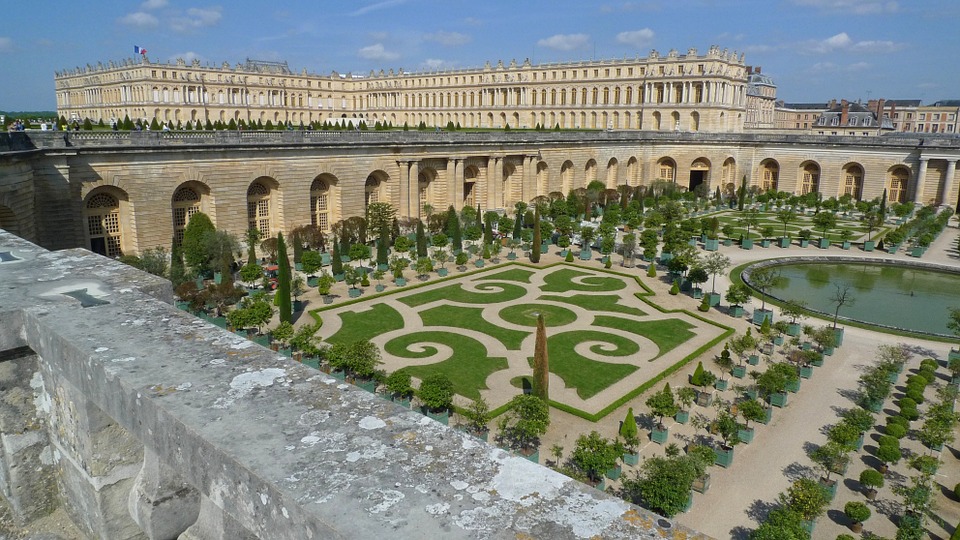
The French formal gardens at Versailles
UNESCO World Heritage Sites in Paris & Île-de-France
There is no shortage of beautiful monuments and incredible architecture in the City of Light. However, when it comes to world heritage sites in Paris, there's actually only one - the Banks of the Seine River.
In total, France's capital and the surrounding region of Île-de-France have four heritage sites, three of which are within easy reach of Paris. Also check our post on places you can visit from Paris in a day, with instructions on how to get there.
The Banks of the Seine River
This is the only heritage site in the city of Paris. The evolution of the banks of the River Seine demonstrates the emergence of Paris as a predominant European city.
The banks are home to many of Paris’s most iconic landmarks including the Louvre, the Eiffel Tower, the Cathedral of Notre Dame, Sainte Chapelle church, the Place de la Concorde, the Grand Palais, the Petit Palais, the Passerelle des Arts, and several important bridges, including the Pont Alexandre III, the Pont au Change and the Pont au Double.
These, along with many more bridges and buildings, contribute to the romantic ambiance associated with Paris.
All the incredible pieces of architecture and engineering have been preserved throughout history and will be for many years to come. The Banks of the Seine were added to the list of UNESCO World Heritage sites in 1991.
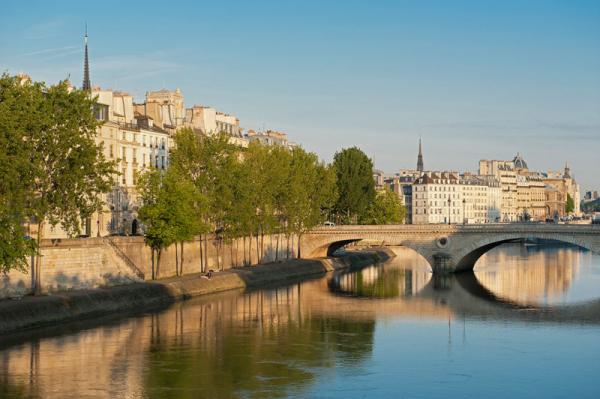
The Seine river banks in Paris - ©Daniel Thierry - Paris Tourist Office
The Palace and Park of Versailles
UNESCO named the Palace of Versailles a World Heritage Site in 1979. In modern times, we might associate Versailles more with the Treaty of Versailles, the signing of which marked the official end of World War I between Germany and the Allies.
In previous centuries. it was the main residence of Kings Louis XIV, XV and XVI. Originally, it was King Louis XIII’s hunting lodge before he decided to turn it into a castle in the 1630s. The palace itself perfectly demonstrates the lives of excess and extravagance led by French royalty at that time.
A majority of the construction and extravagant decoration took place under the watch of Louis XIV, who was much inspired by the beautiful Vaux Le Vicomte castle, which belonged to his Superintendent of State Finances, Nicolas Fouquet.
The jewel in the crown – so to speak – at Versailles is the magnificent Hall of Mirrors. Mirrors were one of the most expensive luxuries money could buy at the time, yet another display of wealth by ‘the Sun King’ (as Louis XIV was known).
The park and gardens of Versailles expand for 1,976 acres beyond the Palace. Visitors will need at least a day to explore them in their entirety, and thus may like to set aside a weekend to visit the Palace and the gardens.
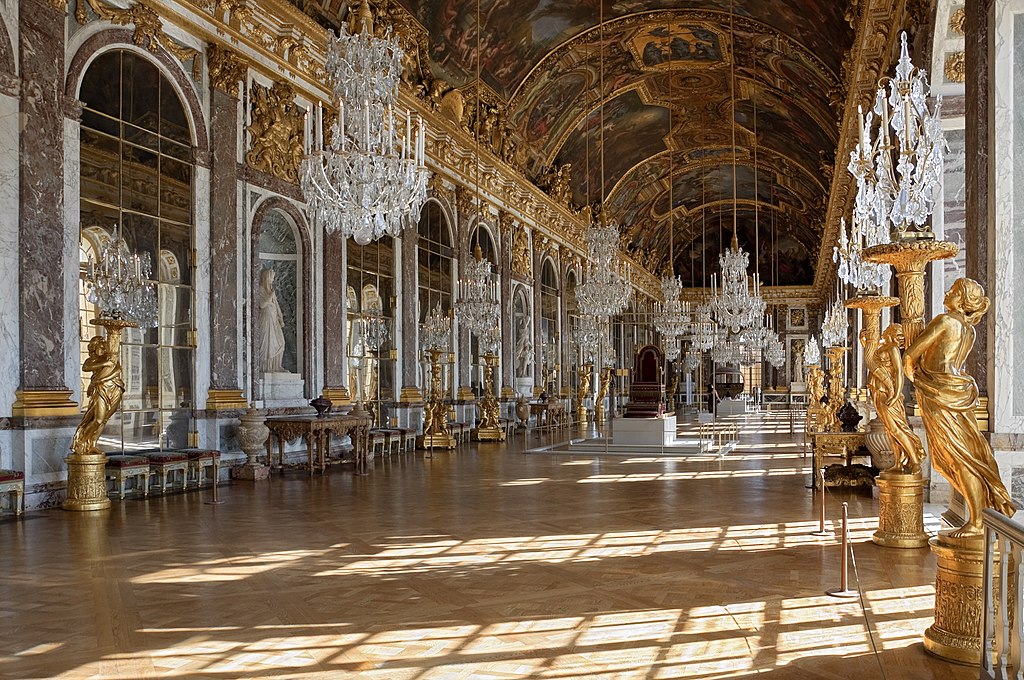
The Hall of Mirrors at the Palace of Versailles
The Palace and Park of Fontainebleau
The magnificent Fontainebleau castle was the residence of French kings, who would often use it as a hunting lodge.
It is the only royal castle to have been continuously inhabited for seven centuries, from Louis VII in the 12th century to Napoleon in the 19th.
Visitors gain a fascinating insight into French history at Fontainebleau, with an ornate style of décor similar to that of Versailles.
For example, the horseshoe staircase curling up to the main door is particularly impressive. In the 16th century, King François I decided to transform, expand and embellish the castle, creating an Italianate palace which combined Renaissance and French artistic styles. The King declared the palace a ‘New Rome’.
Fontainebleau typically receives fewer visitors than Versailles and therefore does not have long queues. This offers people more flexibility for visiting at any time of day.
The castle grounds are huge, like Versailles, and the vast Fontainebleau forest adjacent to the castle offers opportunities for hiking, cycling, horseback-riding, or simply a pleasant stroll in the fresh country air. Fontainebleau received its UNESCO status in 1981.
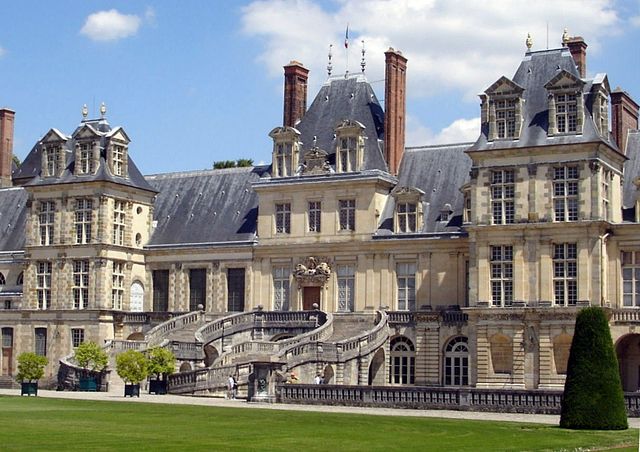
Fontainebleau castle
Provins, A Town of Medieval Fairs
The fortified medieval town of Provins was inscribed as a UNESCO World Heritage site in 2001. The powerful Counts of Champagne once ruled this region, which is about 57 miles southeast of Paris. Its medieval trade fairs and wool industry made it an important center of international trade.
The old town is surrounded by fortified gates and ramparts and it could easily have been frozen in time. The Cesar Tower is a symbol of the power of the former ruling Earls. Visitors may climb to the top and enjoy sweeping panoramic views over the town and surrounding countryside.
Many travelers enjoy wandering through the village admiring the medieval architecture while taking some photos.
Those looking for some entertainment might enjoy La Legende des Chevaliers show, a medieval re-enactment of knights in battle, or Les Aigles Des Remparts, a birds of prey show.
The Grange aux Dimes is also worth a visit for people wanting to learn more about the medieval wool trade.
In addition, naturalists visiting the town in the late spring/early summer should also pay a visit to the Rose Gardens, which will be in full bloom at this time of year.
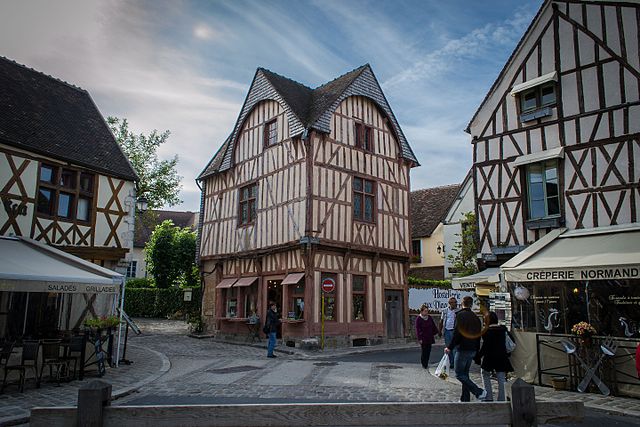
The medieval town of Provins
UNESCO World Heritage Sites in Normandy
There are four UNESCO World Heritage sites in Normandy:
Mont-Saint-Michel and its bay
Located in the department of Manche in the region of Basse-Normandie, between Normandy and Brittany, the islet of Mont Saint Michel is the ‘Wonder of the West’.
This Gothic Benedictine abbey and its village were dedicated to St Michael. There are many legends associated with it.
The abbey was constructed between the 11th and 16th century in a pre-Romanesque architectural style with a number of gothic structures and is also known as a 'Marvel of the Western World.'
The abbey was used as both a prison and a place of worship at different times.
It became a UNESCO World Heritage Site in 1979.
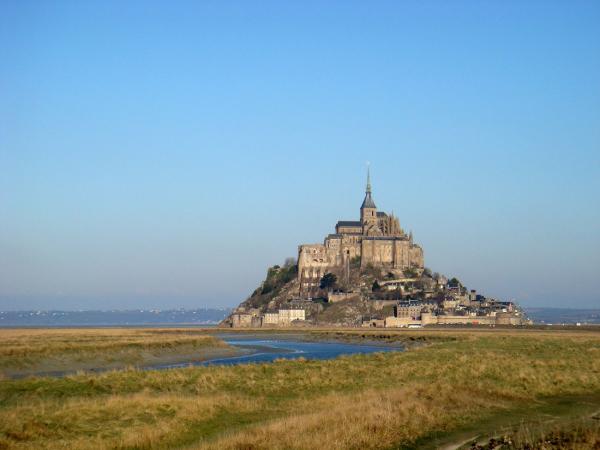
Mont Saint Michel in Normandy
Le Havre
King François I founded the city and port of Le Havre on Normandy’s coast in 1517. However, large areas of the city were sadly destroyed during World War II.
The city was rebuilt by the architectural firm of Auguste Perret between 1945 and 1964. Auguste Perret personally designed the town hall and St Joseph’s Church.
On July 15th 2005, as a commendation of the reconstruction work, Le Havre became one of the few contemporary sites in Europe to be listed a UNESCO World Heritage Site. Particularly notable in the modern architecture is the use of precast concrete and the straight lines of the design.
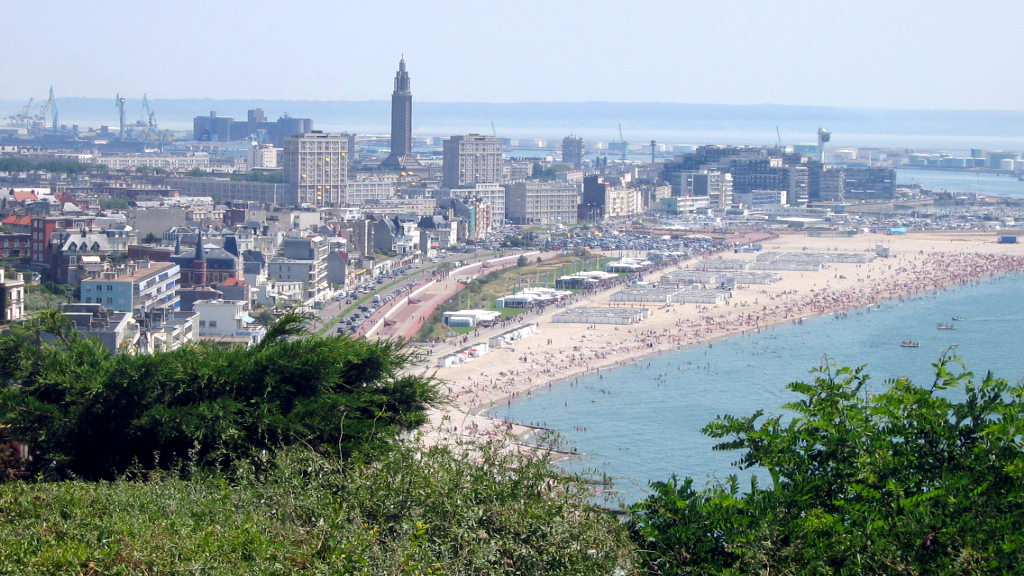
Panoramic view of Le Havre
Fortifications of Vauban
The watchtowers at Saint Vasst la Hougue are one of 12 groups of fortified buildings and sites located along the borders of France. They were designed by Vauban in the 17th century, and were collectively awarded UNESCO status in 2008.
Sébastien Le Prestre de Vauban - later the Marquis de Vauban and commonly referred to as just ‘Vauban’ - was a French military engineer who lived from 1633 to 1707.
He served Louis XIV, who commissioned him as a Marshal of France, a distinction awarded to generals for exceptional achievements.
One of the most important engineers of his time, Vauban was inspired by fellow military engineer Blaise François Pagan's text "Les Fortifications". He advised King Louis XIV on how best to consolidate France's borders to make them more defensible, and this became a key component of French policy. He also advocated retreating from certain areas to create a stronger, less porous border. This was considered a radical concept at the time.
Vauban's concepts remained the dominant model for fortification and siegecraft for nearly 100 years thereafter.
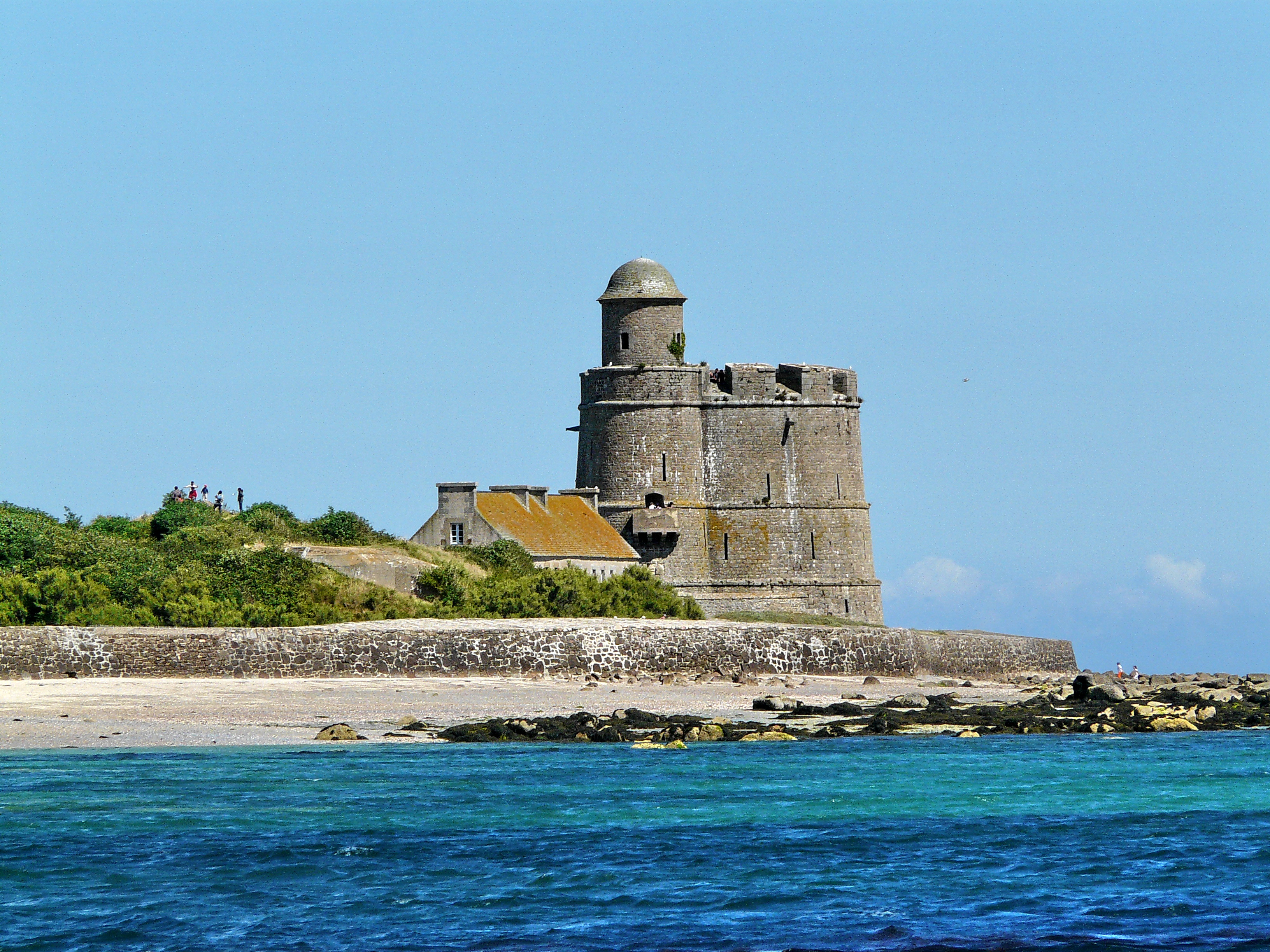
The Vauban watchtowers at Saint Vasst la Hougue on the isle of Tatihou
The Normandy D-Day Landing Beaches
The Normandy D-Day landing beaches were added to UNESCO’s World Heritage List in 2026, recognizing their exceptional historical importance. The protected area encompasses Utah, Omaha, Gold, Juno and Sword beaches, together with Pointe du Hoc.
Allow at least two days to explore the coastline, museums, memorials and Normandy American Cemetery without rushing.
Bayeux makes an excellent base, as it is close to the beaches and can easily be combined with the Bayeux Tapestry and the city’s historic center. The landing sites can also form part of longer Normandy tours that include Honfleur, the Alabaster Coast and Mont-Saint-Michel.
UNESCO World Heritage Sites in the Loire Valley
The Loire Valley has three UNESCO World Heritage sites.
The Loire Valley’s unique landscapes between Sully-Sur-Loire and Chalonnes
As the France Just For You office is in the Loire Valley, we can confirm that the heart of castle country deserves its status as one of France’s UNESCO World Heritage Sites.
The gorgeous Loire Valley has an exceptional and beautiful cultural landscape. It contains historical towns and villages from across the centuries, including Blois, Chinon, Orleans, Saumur, Tours and some of the most beautiful villages in France.
The 300+ châteaux - including Chambord, Chenonceau, and Clos Lucé (Da Vinci's former home) - are the magnificent stars scattered throughout the Loire Valley. The region's cultivated land has developed from centuries of interaction between the inhabitants and their physical environment, and the Loire River has played a significant role. The Loire Valley became a UNESCO World Heritage Site in 2000.
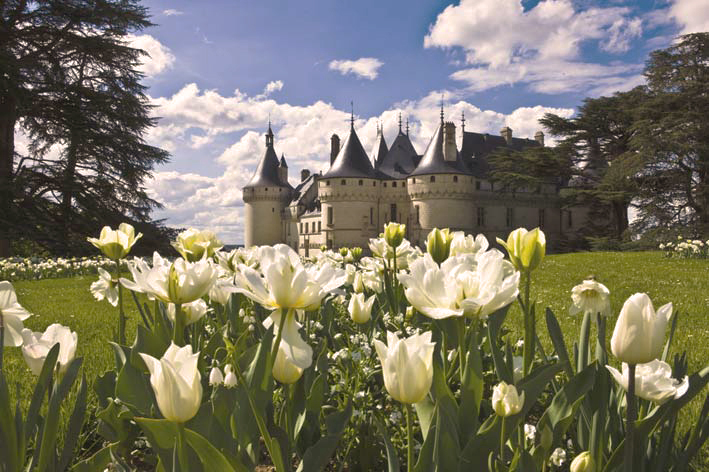
Springtime in the Loire Valley
Chartres Cathedral
In 1979, Chartres cathedral was inscribed as a UNESCO World Heritage site. It has changed very little since its construction was finished in the 13th century, and many of the original stained glass windows have remained intact.
UNESCO refers to the cathedral as "the high point of French Gothic art". The huge cathedral dominates the small town of Chartres, which lies 50 miles southwest of Paris.
Some of this wonderful cathedral’s defining characteristics are its flying buttresses, which dominate the exterior of the cathedral. These help support the whole structure, and meant that the architects were able to increase the size of the stained glass windows significantly.
Another of the cathedral’s key imposing features are its contrasting spires, one a pyramid shaped from around the year 1160, and a taller more decorative and ornate spire which was constructed later on in the early 16th century.
Hundreds of sculpted figures illustrating well-known theological themes and stories adorn the building’s three façades, and both Christian pilgrims and secular tourists find this historical masterpiece of great interest.
The cathedral’s most famous relic is the Virgin Mary’s Sancta Camisa, believed to be the tunic she wore at the birth of Jesus Christ.
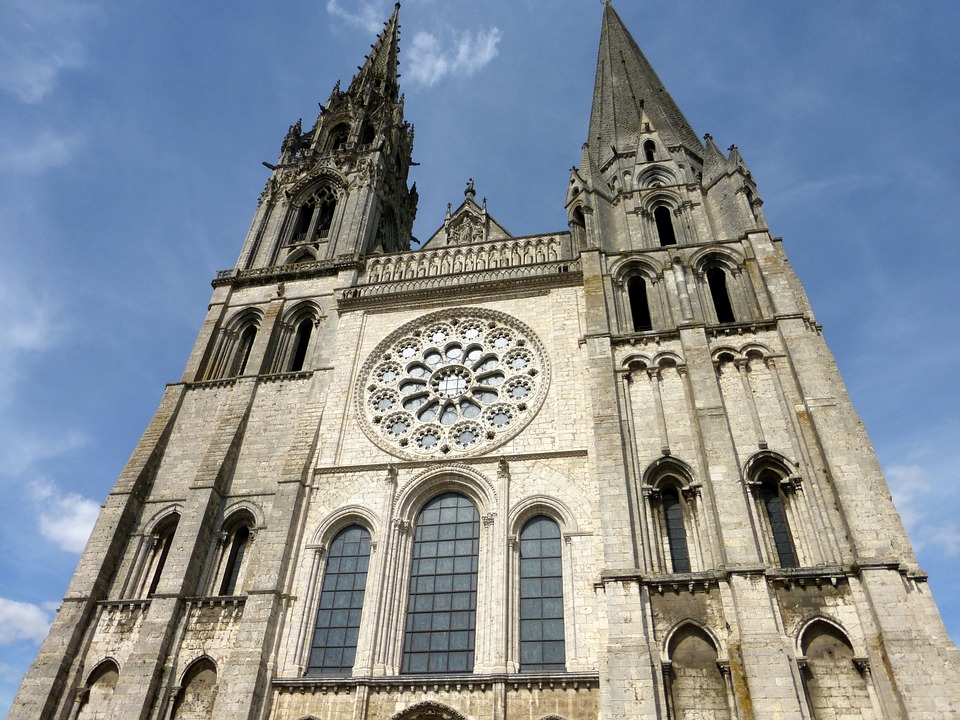
Chartres cathedral
Bourges Cathedral
Bourges Cathedral is also known as the Cathedral of St Etienne of Bourges. It became a World Heritage site in 1992, and according to UNESCO is another of "the great masterpieces of Gothic art".
The present cathedral replaced the original structure, remains of which exist in the crypt. Documentary evidence suggests that construction on the current structure began in the late 12th century.
Aside from the sheer scale of the building, visitors can also admire the stained glass windows, the Romanesque carved portals and exquisitely sculpted façades, and the flying buttresses surrounding the cathedral, which are far more slender-looking and efficient than the heavier ones at Chartres.
A particularly interesting feature is the astronomical clock, which was installed to mark the baptism of Charles VII's son, the future King Louis XI, in November 1494. At this time, the royal court was based in Bourges.
The cathedral is situated in what was the northeastern corner of the former Gallo-Roman walled city. Evidence suggests that the site has been the location of the town’s main church since historical records began.
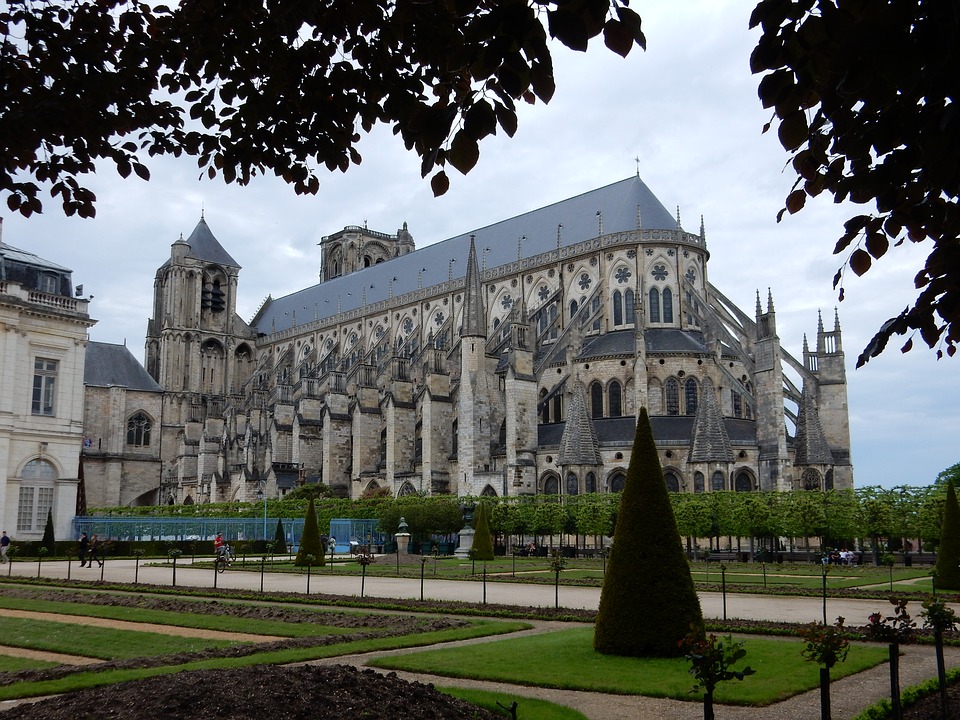
Bourges cathedral
UNESCO World Heritage sites in Burgundy & nearby Franche-Comté
The region of Burgundy and near areas are home to four UNESCO heritage sites:
The Great Saltworks of Salins-les-Bains and The Royal Saltworks of Arc-et-Senans
The Royal Saltworks of Arc-et-Senans, near the town of Besançon, was the first significant achievement of industrial architecture.
Built by Claude Nicolas Ledoux in the late 18th century during the era of the Enlightenment, the focus at the time was on the ideal of progress.
The semicircular design of the enormous complex was intended to facilitate the organization of work in a logical and hierarchical way. Originally the plan was to build an ‘ideal city’ to follow on from this achievement, but this was never realized, possibly due to the French Revolution.
The Great Saltworks of Salins-les-Bains was active for nearly 200 years before closing in 1962. From 1780 to 1895, salt water from Salins-les-Bains travelled through 13 miles of wooden pipes to the Royal Saltworks of Arc-et-Senans. Its location near the dense Chaux Forest ensured a constant supply of wood for fuel.
Under Salins-les-Bains, there is an underground gallery dating back to the 13th century, as well as a 19th century hydraulic pump that still works. At the time, the salt was known as ‘White Gold’, and the boiler house gives visitors a sense of the hard labor involved in collecting it.
Visitors can walk around the saltworks and discover its history and why it became a listed site in 1982.
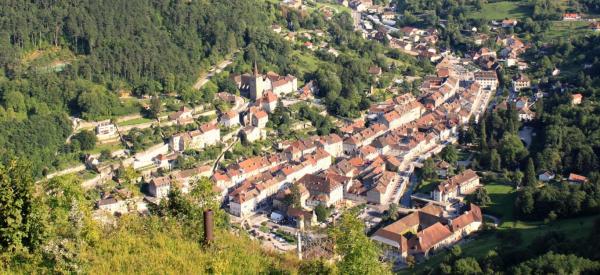
Salins-les-Bains
The Climats, vineyards and terroirs of Burgundy
The Climats of Burgundy are the worldwide birthplace of terroir-based viticulture (grape-harvesting) and were inscribed as World Heritage Sites by UNESCO in 2015.
They have become a model for all those who want their wine to be identified by the place where it is produced.
The 1,247 climats are delimited areas of land separated by stone walls, and comprise the mosaic of vineyards stretching 37 miles across the slopes of the Côte de Nuits and the Côte de Beaune. For this reason they are part of a powerful, deeply-rooted local culture.
Each climat has a name, which is now cast in stone in the appellation d'origine controlee system. Through careful human cultivation over the centuries, these vineyards have become renowned throughout the world.
The unique diversity of soils, the natural terraces at varying altitudes, the different types of vines, as well as the varied exposure to the sun all give each climat its own identity, with unique tasting characteristics. This accounts for the huge and varying range of Burgundy wines, reflecting their place of origin and the winemaker’s skills and savoir-faire.
Burgundian winegrowers have shown an incredible determination to so precisely link a wine to its place of origin and production as in Burgundy. They work with two wine varietals, Pinot Noir and Chardonnay.
The Climats are bookended by the beautiful towns of Dijon to the north and Beaune to the south.
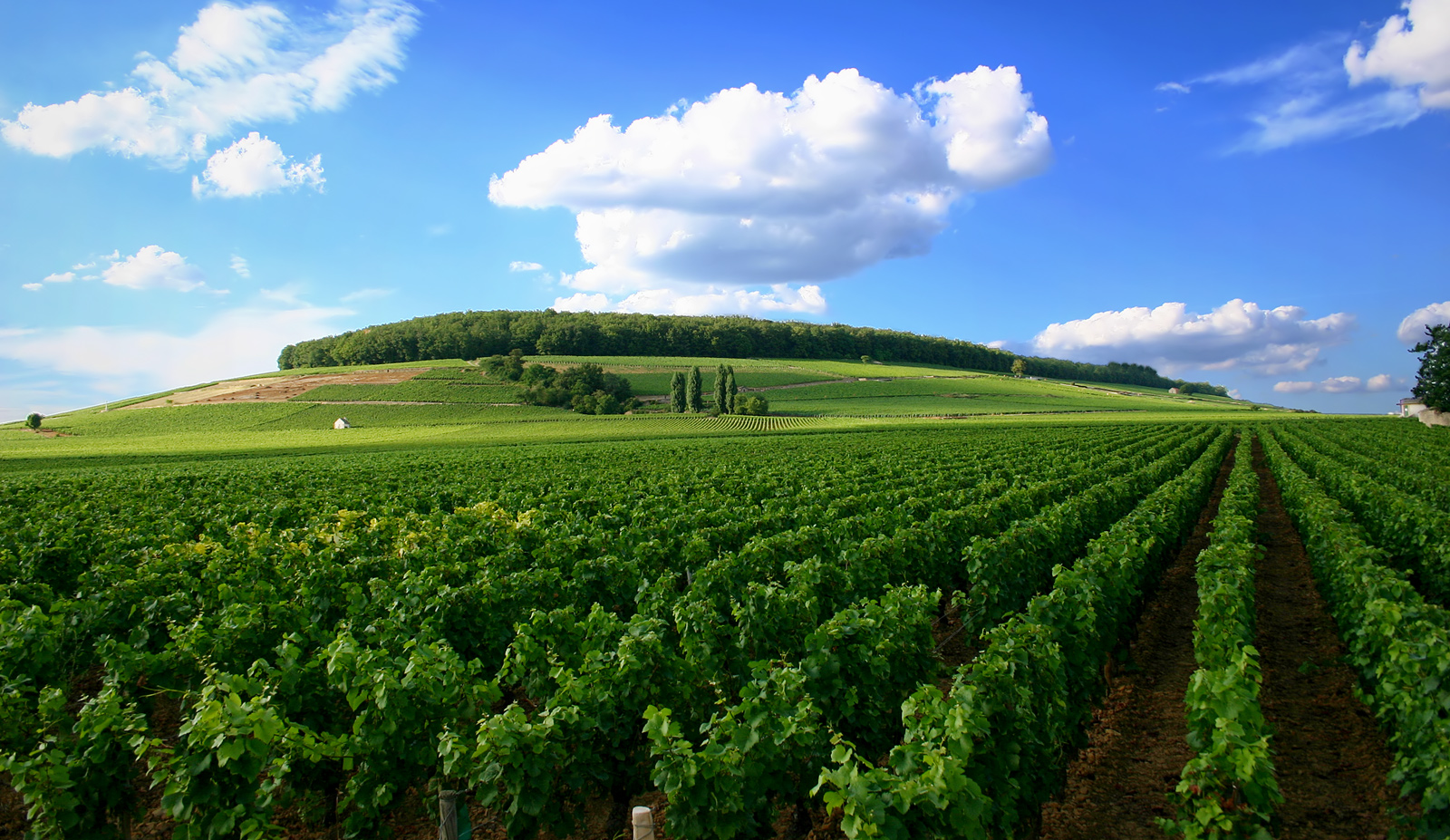
Côte de Nuits vineyards. ©Photo: Stefan Bauer
The Cistercian Abbey of Fontenay
The first communities of Cistercian monks believed in the ideal of self-sufficiency. The austere Romesque-Gothic architecture of the Cistercian Abbey of Fontenay, founded in 1119 by Saint Bernard, illustrates this ideal perfectly through its church, cloister, dovecote, eating and sleeping quarters, bakery and ironworks.
All of the building’s original features remain intact apart from the refectory.
Fontenay Abbey is located about an hour’s drive northwest of Dijon and accepts visitors all year round (but check the website for opening hours, which vary depending on the time of year).
From April through November the opening hours are 10 a.m. to 6 p.m. every day.
Guided tours are only available at this time of year and start at 10am, 11am, 12pm, 13:45pm, 14:45pm, 4pm, and 5pm.
Entrance including a guided tour costs 15.49 euros.
There are TGV trains from Paris to the nearest town of Montbard, which is about 3.5 miles away from the abbey.
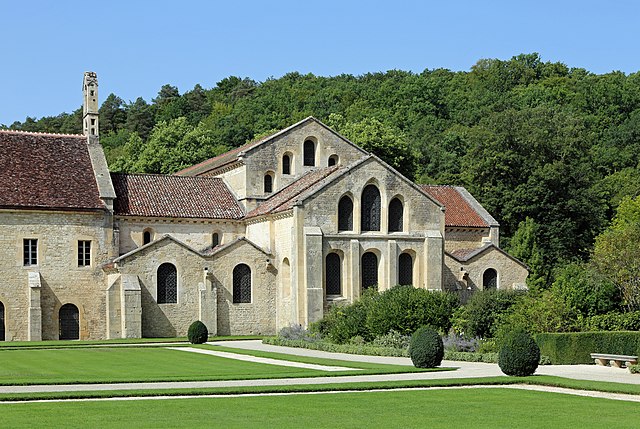
Fontenay Abbey. ©Photo: Marc Ryckaert
Vezelay, Church and Hill
The Benedictine abbey of Vézelay is located in northern Burgundy, about an hour and a half’s drive west from Dijon, and was added to the list of UNESCO World Heritage sites in France in 1979.
It is a famous place of pilgrimage, as it claims to hold the relics of Mary Magdalene, which were apparently acquired a short time after its foundation in the 9th century.
In 1146, St Bernard of Clairvaux, a French abbot and a major leader in the reform of Benedictine monasticism that led to the formation of the Cistercian order, preached the Second Crusade there.
In 1190, Richard the Lion-Heart and Philip II Augustus used the abbey as their meeting point as they departed for the Third Crusade.
The sculpted capitals and portal of the 12th-century monastic church, Madeleine of Vézelay, make it a masterpiece of Burgundian Romanesque art and architecture.
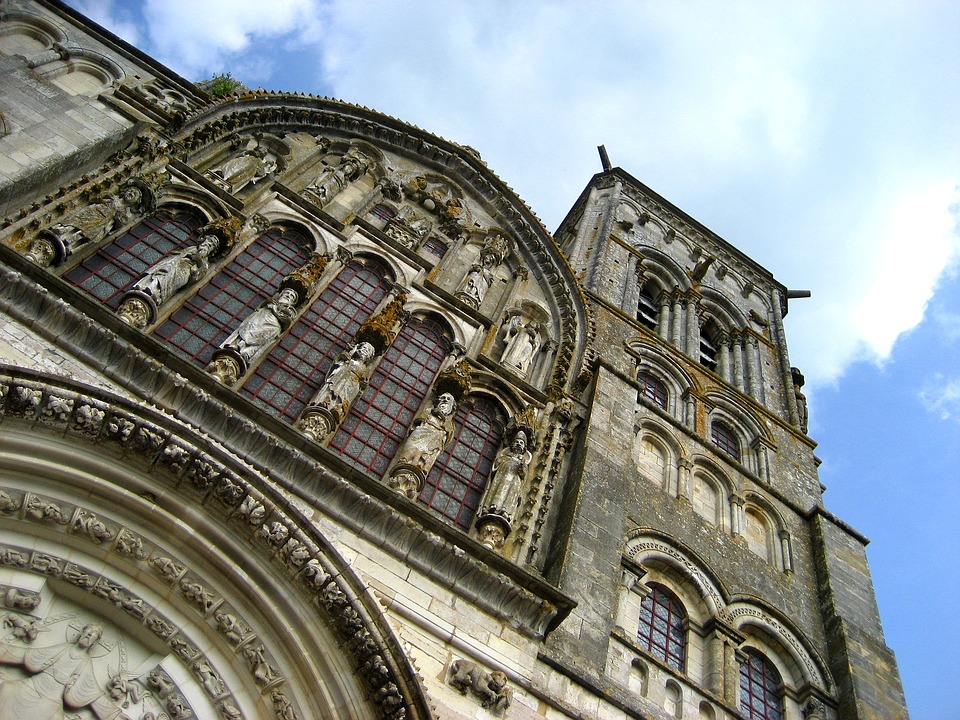
Benedictine abbey of Vézelay, Burgundy
UNESCO World Heritage in Provence & Riviera
In Provence, there are four registered heritage sites that absolutely must feature on any traveler’s France bucket list:
Roman Theater & triumphal arch of Orange
The theater of Orange was built between A.D. 10 and 25 to commemorate the Pax Romana and is one of the best-preserved Roman theaters in the world.
The 103m long facade and the surviving examples of architecture typical of Augustus' reign make this theatre unlike any other. It was introduced onto the list in 1981.
After visiting Orange, you may like to relax with a nice glass of wine nearby in the beautiful Chateauneuf-du-Pape.
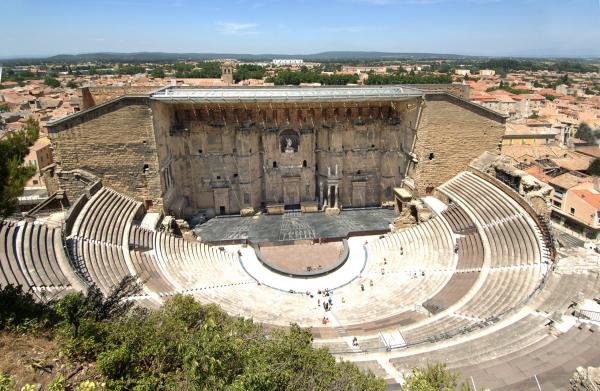
Orange Roman Theater - ©Gromel CDT Vaucluse
Historic Center of Avignon : Papal Palace & Avignon Bridge
Avignon is well known for its medieval architecture and monuments. The austere-looking fortress of the Palais des Papes (Popes’ Palace), an exceptional example of Gothic architecture, dominates the city.
In the 14th century, Avignon was the seat of the papacy, and this brought a great deal of wealth to the city at the time. The Popes remained in residence in Avignon for over a century until 1403.
The remains of a 12th-century bridge Pont d’Avignon (Avignon Bridge also called St Bénézet Bridge) used to connect the Papal seat to the rest of France and was at the time the only bridge across the Rhône River.
Below the Popes’ Palace is the Petit Palais and the Romanesque Cathedral of Notre-Dame-des-Doms. These comprise an outstanding selection of monuments that reinforce the significance of Avignon in 14th-century Christian Europe.
Fast-forward six centuries and the impressive medieval ramparts surround a beautiful modern city that enjoys lovely weather and a vibrant culture.
Avignon is easy to access from Paris by TGV train in around three hours. Alternatively, fly into Marseille or Nice International, which are both much closer to Avignon.
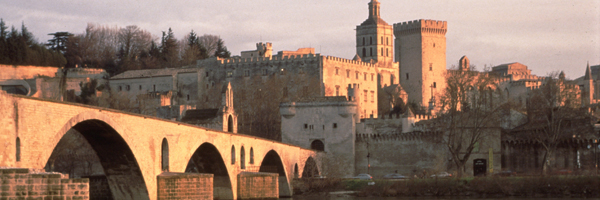
Avignon, Provence - ©David Lefranc - CDT Vaucluse
Arles and the Roman Monuments
Arles has some impressive Roman ruins – the arena, Roman amphitheater and underground galleries date back to the 1st century B.C, and the baths of Constantine and the necropolis of Alyscamps are remnants of the second golden age experienced by Arles in the 4th century A.D.
The town is a good example of how an ancient city transitioned to becoming a medieval city. In the 11th and 12th centuries, it was considered one of the most beautiful cities in southern Europe.
Nowadays, Arles is much associated with Dutch artist Vincent van Gogh. It was during his stay in Arles in 1888 that he developed his post-impressionist approach to still-lifes and local landscapes. He used brighter colors and painted his natural surroundings in Provence, which included olive groves, fields of wheat, and the famous sunflowers.
Travelers may be interested in visiting the Vincent van Gogh Foundation museum, which doesn’t contain many pieces by van Gogh, but includes hundreds of other pieces, many of which were inspired by the style of van Gogh.
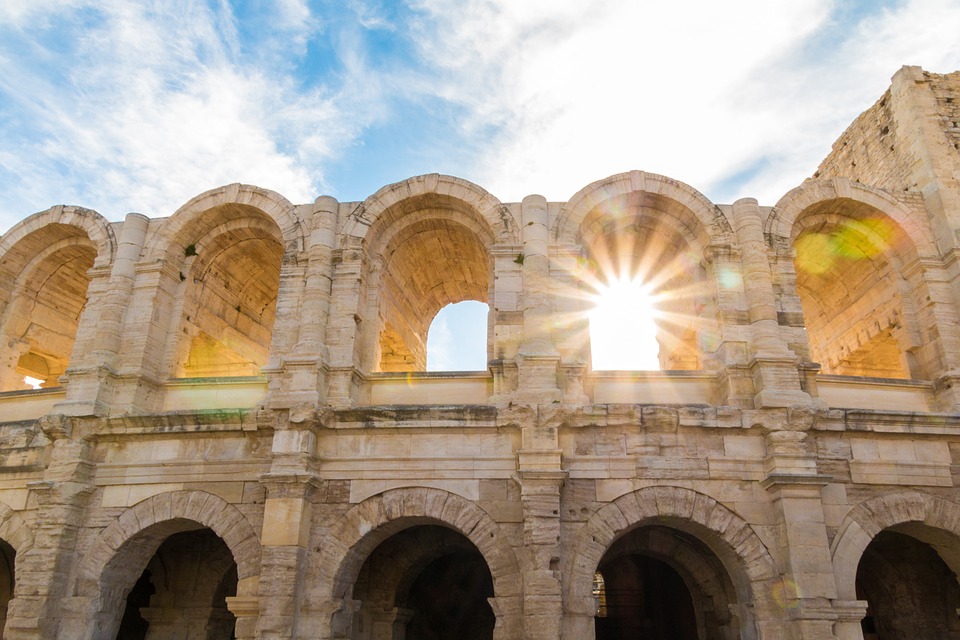
The Roman amphitheater at Arles
Pont du Gard Roman bridge
Close to Nimes and Avignon, the Pont du Gard is a Roman aqueduct that stands at three stories high and was added to France’s UNESCO World Heritage sites in 1985.
It was built around the 1st century A.D. under the command of Marcus Vipsanius Agrippa, son-in-law of Augustus. The Romans transported water from the springs near Uzès through the Roman aqueduct.
Incredibly, the aqueduct was built without mortar and has nonetheless remained intact across the ages, in spite of multiple floodings and occasional negligence.
This masterpiece of Roman engineering is today one of France’s most popular tourist attractions. On our Provence tours, we give you tips on how to escape the crowds AND get the best photos.
We also know another bridge, which is a bit of a local secret – it’s much smaller, but it should be just for your enjoyment, as other tourists won’t know about it.
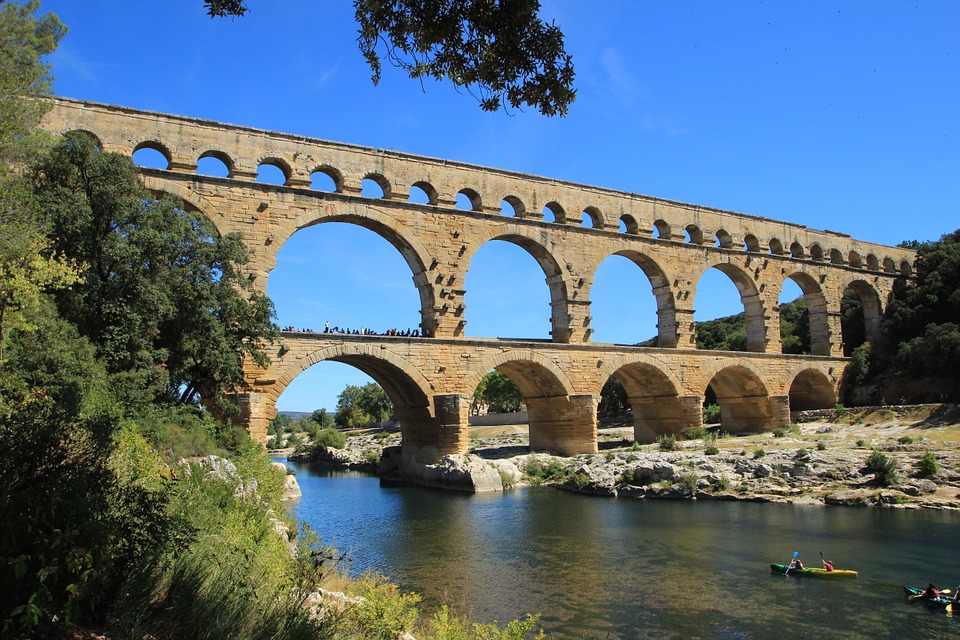
Pont du Gard Roman bridge
UNESCO World Heritage Sites in Bordeaux region
Bordeaux and its port
Stretched mostly along the left bank of the Garonne River, the enchanting city of Bordeaux is surrounded by vineyards whose names are known around the world.
These include Médoc, St Emilion, Margaux and Sauterne. Visitors travel to Bordeaux in the region of Aquitaine to enjoy wine tastings, stay on wine estates, and meet local French oenologists and sommeliers.
Those who want to explore beyond the vineyards may enjoy a trip to the Atlantic beaches and the Bay of Arcachon. Bordeaux offers something for everyone.
The city of Bordeaux is the perfect example of an urban and architectural ensemble. It has more protected buildings than Paris, and exhibits both innovative classical and neoclassical trends, making it a place of great cultural value. It is a capital of wine production and a commercial port and was inducted to UNESCO in 2007.
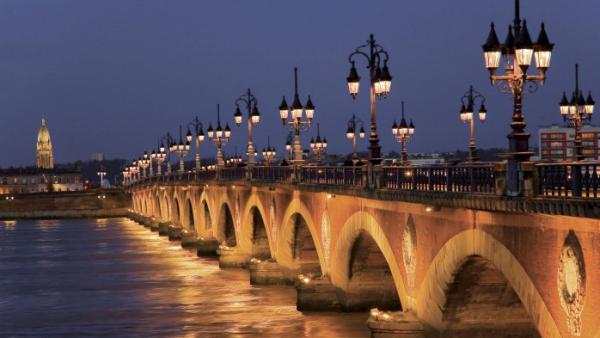
Pont de Pierre in Bordeaux
Saint-Émilion (Gironde)
This picturesque medieval village, perched atop limestone hills in the Bordeaux wine region, is renowned not only for its outstanding wines but also for its history and architecture.
Narrow, winding streets lead to ancient monuments, subterranean wine cellars, and centuries-old churches.
The UNESCO designation reflects the unique way in which wine production, urban development, and historical preservation have merged to create a cultural landscape of immense value.
Visiting Saint-Émilion offers travelers a blend of history, art, and culinary delights—a genuine taste of the French spirit.


UNESCO World Heritage Sites in Lyon
Historic Site of Lyon
Lyon lies at the confluence of the Saône and Rhône Rivers, in the Auvergne-Rhône-Alpes region, and has been a hub of commerce and culture since the Celtic era—long before the Romans made it the capital of the Three Gauls in the 1st century BC.
You’ll see layers of history everywhere: Gallo-Roman ruins on Fourvière Hill, medieval alleyways weaving through Vieux-Lyon, and Renaissance homes revealing centuries of architectural evolution.
One of the city’s most distinctive features is the way it has grown over time. Unlike many European cities where the historic center was demolished and rebuilt, Lyon expanded gradually eastward, preserving whole districts and creating an urban tapestry that reflects over two millennia of continuous occupation.
Grand landmarks like Fourvière Basilica, the Cathedral of St. John the Baptist, and the 17th-century Hôtel de Ville stand proudly beside modest Renaissance dwellings and 19th-century tenements built for the city’s silk weavers (known as “canuts”).
This living record of town planning and architecture underpins Lyon’s UNESCO status. From Roman theaters and medieval churches to Baroque mansions and art nouveau influences, every era has left its mark.
Whether you’re strolling along the banks of the Saône, exploring the traboules (hidden passageways), or admiring the varied façades, Lyon’s enduring heritage reveals a vibrant, ever-evolving city that continues to honor its past while embracing the present.


UNESCO World Heritage Sites in Dordogne
Prehistoric Sites and Decorated Caves of the Vézère Valley
In southwestern France, the Vézère Valley is a prehistoric treasure that has shaped our understanding of early human life and creativity. With more than 150 Paleolithic deposits and around 30 decorated caves, this region offers extraordinary insight into prehistoric art, technology, and daily life—particularly through the famous Lascaux Cave, discovered in 1940.
The remarkable cave paintings and carvings found here chronicle human occupation over tens of thousands of years, making it an essential stop for travelers fascinated by our shared ancient heritage.
Many of these sites remain just as they were at the time of discovery, ensuring a genuine connection to the distant past.
While some caves are closed to protect their fragile artwork, visitors can still experience the grandeur of these Stone Age masterpieces at carefully managed sites or at replica sites.
Caves & Replica Caves Open to Visitors
- Lascaux IV (Montignac): A state-of-the-art replica showcasing the famous polychrome paintings that earned Lascaux the nickname “the Sistine Chapel of Prehistory.”
- Font-de-Gaume (Les Eyzies): One of the last prehistoric caves in France with original polychrome paintings still open to the public, albeit with very limited access.
- Les Combarelles (Les Eyzies): Known for its engravings depicting animals and human figures, offering a fascinating glimpse into Paleolithic artistic expression.
- Rouffignac Cave (Rouffignac-Saint-Cernin-de-Reilhac): Easily accessible by an electric train, this cave features hundreds of mammoth depictions and other animal engravings.
When you book a tour of Dordogne with France Just For You, let us know if you're interested in exploring some of the Vézère Valley’s prehistoric sites. With our carefully crafted itineraries, we'll help you immerse yourself in these awe-inspiring remnants of the Paleolithic era, while enjoying the Dordogne’s warm hospitality, natural beauty, and authentic French charm.


UNESCO World Heritage Sites in Northern France
Funerary and Memorial Sites of the First World War (Western Front) (Somme, Oise, Nord)
Spanning several departments, the First World War memorial sites along the Western Front offer a poignant tribute to the sacrifices made during one of history’s most turbulent periods. These sites—ranging from cemeteries to memorials—are set amidst quiet fields and rolling hills, evoking a deep sense of remembrance.
A visit to these locations is both moving and educational, as you walk through landscapes that have borne witness to monumental historical events. They provide an opportunity to reflect on the past and honor the legacy of those who served.
We can help you learn more about these places by arranging for you to visit them with an expert private tour guide.
Find out more on our Verdun Battlefield Tours and Somme Battlefield Tours pages

©
France Just For You
Amiens Cathedral (Somme)
Amiens Cathedral is widely admired as a masterpiece of Gothic architecture, with its soaring vaults, intricate sculptures, and stunning stained glass windows. Its design and craftsmanship continue to captivate both art enthusiasts and casual visitors alike.
The cathedral provides a serene space to reflect on centuries of cultural achievement and religious devotion.

©
Pixabay
No matter what you enjoy doing, France has something to take everyone's breath away.
Go and check out these amazing sites for yourself, marvel in awe at the incredible architecture or learn all about the history of one of these incredible places!
FAQ
What are some must-see historical sites in France?
Some of France’s must-see historical sites include Mont-Saint-Michel, the Normandy D-Day landing beaches, the Palace of Versailles, the Loire Valley, Carcassonne, Lyon, Avignon, the Pont du Gard and the prehistoric sites of the Vézère Valley.
The best choices will depend on the regions you plan to visit and whether your interests include medieval history, Roman heritage, World War II or prehistoric France.
How many UNESCO World Heritage Sites are there in France?
France has 56 properties on UNESCO’s World Heritage List as of 2026: 47 cultural, seven natural and two mixed properties.
Six are located in overseas France, leaving 50 UNESCO World Heritage properties in mainland France and Corsica.
Which French UNESCO World Heritage Site should I visit?
For a first visit, Mont-Saint-Michel, Versailles and the Loire Valley are excellent choices, but it depends on your personal interests.
Choose the Normandy D-Day landing beaches for World War II history, the Pont du Gard and Arles for Roman heritage, the Vézère Valley for prehistoric sites, and Bordeaux, Saint-Émilion or Burgundy for architecture, landscapes and wine.
A customized self-drive tour of France can combine several sites according to your interests.
What UNESCO World Heritage Sites are located in Paris?
The principal UNESCO property in Paris is Paris, Banks of the Seine. It encompasses many of the capital’s best-known monuments and historic areas, including Notre-Dame Cathedral, the Louvre, the Île de la Cité and the Eiffel Tower.
Versailles and Fontainebleau are separate UNESCO properties outside Paris but are easy to visit on a day trip from the city, and can be included in a Paris itinerary.
Which French UNESCO World Heritage Sites are in Normandy?
Normandy’s UNESCO properties include Mont-Saint-Michel and its Bay, Le Havre, the D-Day landing beaches and the Vauban towers at Saint-Vaast-la-Hougue and Tatihou. The D-Day property, added in 2026, encompasses Utah, Omaha, Gold, Juno and Sword beaches, together with Pointe du Hoc. Our tours of Normandy allow time to explore these places without relying on rushed day trips from Paris.
Which UNESCO World Heritage Sites are in the Loire Valley?
The UNESCO-listed Loire Valley stretches between Sully-sur-Loire and Chalonnes. It encompasses a cultural landscape of historic towns, villages, vineyards and châteaux, with Chambord forming part of the official property. Amboise, Blois, Tours, Chinon and Saumur make useful bases for exploring the region on our Loire Valley tours.
Which UNESCO World Heritage Sites in France are best for wine lovers?
Wine lovers should consider Bordeaux and Saint-Émilion, the Climats of Burgundy, the Champagne Hillsides, Houses and Cellars, and the Loire Valley. These properties combine historic architecture and cultural landscapes with some of France’s most celebrated wine regions.
Our tours of Burgundy are especially suitable for travelers who want to combine UNESCO heritage with winery visits and regional cuisine. You may also be interested in our France for Wine Lovers tour.
Can you visit several UNESCO World Heritage Sites on one France road trip?
Yes. One option is to take a route connecting Paris, Versailles, the Loire Valley, Burgundy, Lyon, Avignon and the Pont du Gard in Provence. Another combines Bordeaux, Saint-Émilion, the prehistoric Vézère Valley, Albi and Carcassonne. A southern route can connect Lyon, Orange, Avignon, Nîmes, the Pont du Gard and Arles through our Provence tours.