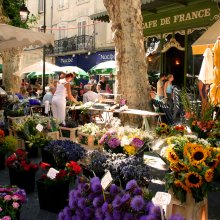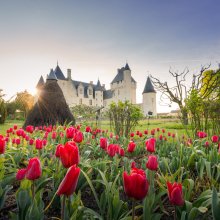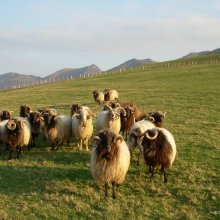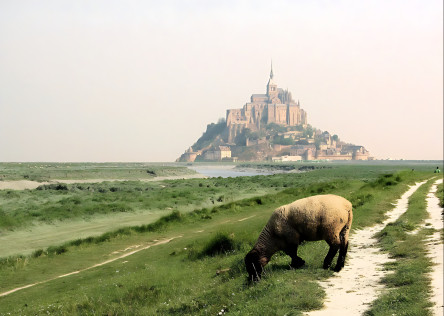
Paris is, of course, an important part of France – but it’s only one piece of a much larger picture!
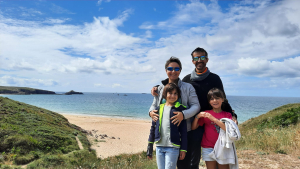
As someone who grew up in France and has spent fifteen years crafting self-drive tours of France for travelers from all over the world, my goal is for visitors to discover the beauty beyond the capital.
France’s regions offer very different experiences: countryside shaped by centuries of farming, jagged coastal landscapes, fertile wine-growing areas, and charming towns where daily life continues much as it has for generations. These are places best explored at a slower pace, and we think traveling by car is the best option.
Here are ten places to visit in France outside of Paris that are particularly well suited to travelers who enjoy independent travel and road trips.
1. Normandy: Coastlines, Countryside, and History
Normandy combines beautiful countryside with a well-known historical legacy. Along the coast, the D-Day landings beaches and memorials are places of remembrance and reflection – many of our travelers have had personal or family connections to this part of France through WWII. There are also many gorgeous little coastal towns like Honfleur to discover.
Inland, you’ll find apple orchards, local producers selling the famous Calvados brandy and apple cider, and half-timbered towns.
Normandy works particularly well for travelers who enjoy history alongside scenic driving and quiet rural stays. We can even arrange for you to do a private cooking class with a lovely local chef at her home in Normandy.
To explore how this region fits into a self-guided France itinerary, you can read more about planning a Normandy road trip.


2. Loire Valley: Châteaux, Rivers, and Everyday France
My family and I live in the Loire Valley, and it’s a region I know very well. While some châteaux are well known and popular with tourists, the region is very peaceful once you move beyond the most famous sites. And if you book one of our Loire Valley tours, we will help you discover lesser-known castles that are just as beautiful and less touristy.
Small towns like Chinon or Amboise, riverside walks, vineyards, and local markets are all part of everyday life here. It’s an easy region to explore by car or by bike, with flat land, short distances, and varied scenery.
Our guide to planning a Loire Valley road trip explains how to structure your time comfortably.


3. Provence: Villages, Markets, and Mediterranean Light
Provence is one of the regions travelers ask us about most. It’s a place of varied landscapes, from olive groves and vineyards to Roman towns, quiet hilltop villages, and lavender fields. Life here is very seasonal, shaped by markets, harvests, and long lunches.
Travelers often enjoy visiting Aix-en-Provence, Saint-Rémy-de-Provence, and the villages of the Luberon. But Provence is also about exploring off-the-beaten-path country roads and having the freedom to stop when something catches your attention – which you can do when you're on a self-drive tour of Provence!
If you’re considering this region, you may enjoy reading more about how we approach a Provence road trip, with a focus on pacing and choosing the right base.


4. Dordogne: Villages, Rivers, and Deep History
Dordogne is known for its riverside villages, medieval fortresses, and some of the most important prehistoric cave sites in Europe, including the Lascaux Cave and the Font de Gaume cave, famous for their polychrome cave paintings.
Many travelers enjoy Sarlat and the Dordogne River valley, and we can also help you discover some of the lovely smaller villages, local farms and markets, which other tourists don't know about.
From kayaking down the Dordogne river to ancient castles and a private tour with a local history expert, we can help you immerse yourself in this stunning region on one of our Dordogne tours.
5. Alsace: Wine Routes and Distinct Traditions
Alsace has a strong regional identity, shaped by both French and German influences. Vineyards line the foothills of the Vosges Mountains, and villages like Eguisheim, Riquewihr, and Kaysersberg stand out for their colorful half-timbered houses, fortified towers, and streets arranged around medieval walls or along rivers.
Travel here often revolves around the Alsace Wine Route, which connects villages, wineries, and small towns over short distances. Many travelers enjoy stopping frequently rather than covering long stretches of road, combining village walks, cellar visits, and relaxed meals in winstubs that serve traditional Alsatian dishes.
The region is compact, which makes it ideal for a road trip with short drives and a comfortable pace. To see how to structure your time without feeling rushed, you can read more in our guide to planning an Alsace road trip.


6. Burgundy: Vineyards and Quiet Countryside
Burgundy is a region where the landscape and daily life are closely tied to wine. Vineyards stretch across gentle slopes, broken up by small villages, stone churches, and market towns like Beaune that have long played a role in the wine trade.
Driving through Burgundy is part of the experience. Quiet roads wind through places such as Meursault, Pommard, and Nuits-Saint-Georges, where vineyards change subtly from one village to the next. Many wine estates are family-run, and visits tend to feel personal rather than polished or commercial.
Food is just as important here. Meals are often based on seasonal ingredients and local traditions, and travelers who enjoy taking time for lunch — rather than rushing from one stop to the next — tend to appreciate Burgundy’s slower pace.
Burgundy suits travelers who enjoy staying in one base and exploring the surrounding countryside by car, with time to focus on food, wine, and the sense of place that connects them. It also combines naturally with nearby regions such as the Loire Valley or Lyon.
You can read more about how we approach this region on our Burgundy tours page.


7. French Riviera: Beyond the Glamor
The French Riviera is often associated with glamor, luxury hotels, and busy seaside towns, but that’s only one part of the story. Beyond places like Nice and Cannes, the region also includes hilltop villages, coastal walking paths, and smaller towns that feel far removed from the main tourist centers, especially outside the peak summer months.
Just a short drive inland, the landscape changes. Olive groves, winding roads, and villages set above the coast offer a very different perspective on the Riviera — one that many travelers don’t experience if they stay only along the shoreline.
This is a region where good planning makes a real difference. Choosing the right base, knowing which areas are best visited by car rather than train, and understanding how to combine coastal highlights with inland villages can shape the entire experience.
Our French Riviera road trip guide gives you a taste of the kind of itinerary we can plan for you. There are more sample itineraries on our French Riviera tours page. You are also very welcome to contact us and tell us about your wishes for your trip!


8. Bordeaux and the Atlantic Coast: Wine and Open Landscapes
Bordeaux is a region I know well, both professionally and personally. My husband, Guillaume, is from Bordeaux, and much of his family still lives in the region. That local connection gives us a very practical understanding of the city and its surroundings.
Bordeaux itself is elegant and easy to explore on foot, shaped by centuries of river trade and wine commerce. The historic center, lively markets, and long quays along the Garonne reflect a close relationship between the city and the vineyards that surround it.
Once you leave the city, the landscape opens up quickly. Driving west toward the Atlantic, vineyards give way to pine forests, oyster beds, and wide sandy beaches. Around Arcachon Bay - a favorite of ours - seafood is, of course, a specialty, especially oysters, and the atmosphere feels very different from the Mediterranean coast.
This part of France may appeal particularly to travelers who enjoy combining different settings in one journey: a refined city, active wine regions, and open coastal landscapes.
Our Bordeaux road trip guide gives a sense of how we structure itineraries here, drawing on our local knowledge so that you can enjoy a balance of the city, vineyards, and Atlantic coast.


9. Basque Country: Culture, Coast, and Mountains
The French Basque Country feels noticeably different from other regions of France. Its character comes through in everyday details — the way villages are built, the food on the table, and traditions that are still part of daily life.
Along the coast, towns like Biarritz and Saint-Jean-de-Luz developed around fishing ports and seaside life, while inland the landscape changes quickly to green hills and small villages where farming and local markets remain central. Traditional Basque houses, with their white façades and red or green timbering, are a constant feature as you move through the region.
What many travelers appreciate is how compact the area is. In a short drive, you can experience the coastline, rural countryside, and the foothills of the Pyrenees, without spending long hours in the car.
Our Basque Country road trip article explains how we structure a journey through the region so that these contrasts feel connected, rather than rushed or disjointed.


10. Carcassonne and Cathar Country: Fortresses and Quiet Roads
Carcassonne is best known for its medieval fortified city, whose double walls and towers dominate the landscape. But limiting a visit to the citadel alone means missing the wider Cathar region, where history is scattered across the countryside rather than concentrated in a single site.
Beyond Carcassonne, driving routes connect former Cathar strongholds such as Peyrepertuse, Quéribus, and smaller fortified villages set among vineyards and open farmland. These sites sit high on rocky outcrops, often reached by narrow roads, and offer expansive views over the surrounding valleys.
Our Carcassonne tours page tells you more about the regions and gives you some sample itineraries, all of which we can tailor to your preferences.


Other Places We Love to Recommend in France
In addition to the regions above, these other regions are also popular with travelers, and are worth keeping in mind depending on your interests and priorities:
Brittany
Brittany is especially popular with travelers who enjoy dramatic coastlines, coastal walks, and a strong regional culture. Its rugged shores, fishing ports, and Celtic heritage feel very different from other parts of France.
Lyon
Lyon is France’s gastronomic capital and works well as a short city stay or as a stop between regions such as Alsace, Burgundy or Provence. It’s particularly appreciated by food lovers and travelers who enjoy lively but manageable cities.
Champagne
The Champagne region is ideal for travelers interested in wine, vineyard landscapes, and elegant towns like Reims and Épernay. It’s compact and easy to explore by car, often combined with Paris or eastern France.
Verdun and the Meuse
This region particularly appeals to travelers interested in WWI history. Verdun’s memorials and battlefields are powerful, moving places that are often included as part of a broader northern and eastern France itinerary.
Lille and Northern France
Lille and the surrounding region surprise many travelers with their Flemish architecture, welcoming atmosphere, and excellent food scene. This is a good option if you're interested in visiting the Somme battlefields and the WWI sites across the border in Belgium.


How to Choose the Right Regions for Your Trip
France offers a great deal of variety, but trying to see too much in one trip often leads to fatigue.
As a general guideline:
- 7–10 days: focus on one or two regions
- 10–14 days: combine two or three regions
- 3 weeks: explore several regions at a relaxed pace
Choosing fewer bases and allowing time to settle into each place usually leads to a more enjoyable experience.
If this has helped you start thinking about where you’d like to go in France, you may enjoy browsing our self-drive tours of France.
All of our self-guided France driving itineraries can be adapted to suit your interests, travel pace, and the amount of time you have available.


Why Travel with France Just For You?
France Just For You creates custom self-guided tours of France for travelers who want to explore France independently, while benefiting from our local expertise.
We begin by understanding how long you have, when you’re traveling, and what interests you most. This allows us to design an itinerary that gives you structure without rigidity, so you can explore at your own pace and choose what you want to do as you go along, based on our expert recommendations.
We take care of the practical arrangements that can make trip planning time-consuming, including:
- Carefully selected premium B&Bs or boutique hotels that we know, trust, and have tested ourselves
- A rental car with automatic transmission and full insurance
- Some pre-booked activities and private tours
- A detailed personalized guidebook and access to our MyFrance travel app with routes, maps, tickets, and practical information related to your trip
You travel on your own, at your own pace, with the reassurance that everything has been thoughtfully arranged. And while you’re in France, our team is available if you need support or advice along the way.


If you like the idea of exploring France at your own pace by car, with a personalized itinerary put together by us - your France-based experts - contact us at travel@france-justforyou.com, via our contact form, or complete a trip-planning form below and send it to us!
Send us your France trip-planning form
FAQs
What is the most beautiful place in France outside of Paris?
Beauty is subjective, but Provence, Dordogne, the Loire Valley, and Alsace are consistently appreciated for their landscapes and sense of place.
Where should I go in France for my first trip if I want to avoid Paris?
Regions like the Loire Valley, Provence, Normandy, or Dordogne are very popular with our travelers, but it depends on your travel preferences.
Check out our France tour packages for more inspiration!
Is France easy to explore by car?
Yes. Many of the most authentically 'French' places are outside major cities, and driving allows you to discover them at your own pace.
When is the best time to visit France outside Paris?
May, June, September, and early October are generally the most comfortable months, with fewer crowds and good weather.