A Paris and Normandy itinerary is a common combination for a trip to France. Paris has the iconic landmarks, museums, and walkable neighborhoods. Normandy brings WWII history, a dramatic coastline, and rolling countryside with charming little villages. The question is how much time to give them.
Below, I’ll walk you through how we typically structure both an 8-day Paris and Normandy trip and a longer 10–14 day version, to help you decide what fits your pace and schedule best.


How Many Days Do You Need for a Paris and Normandy Trip?
There are two ways to approach this combination:
8 Days: A Focused Paris & Normandy Trip
With good planning, an 8-day trip can comfortably include:
- 3–4 nights in Normandy (often based in Bayeux, or near Giverny or Honfleur, depending on your itinerary)
- 3–4 nights in Paris (often based in the Le Marais neighborhood or Latin Quarter, so that many of Paris’ popular attractions are within walking distance
- A thoughtful transition between regions that includes a rest-stop in a lovely place along the way
This is a common way to divide time on an 8-day Paris & Normandy tour.


10–14 Days: Paris, Normandy & One More Region
If you have more time, a longer trip means you can spend more time in each place instead of rushing between them, and visit another nearby region.
With 10–14 days, many travelers choose to:
- Add the Loire Valley region (châteaux, vineyards, riverside towns)
- Or extend into Brittany, western France (wild coastline, maritime history, and a strong regional identity)
This creates a broader journey through northern and western France without feeling rushed. Many travelers appreciate having time to settle into each place rather than moving every day.


A Practical 8-Day Paris and Normandy Itinerary
Here’s an example of how we might structure an 8-day trip (this will vary according to your personal preferences):
Days 1–4: Normandy
We recommend picking up your rental car at the airport in Paris and driving straight to Normandy, which offers a more peaceful environment for recovering from jet lag. This also means you’ll already be in Paris when it’s time to leave.
To get a good overview of Normandy, you may choose to spend a couple of days near Giverny or Honfleur, and a couple in the Bayeux area.
From Honfleur, you may easily visit:
-
Honfleur's harbor
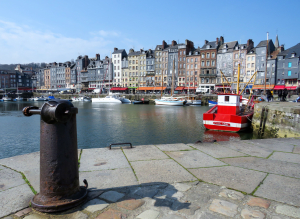
A historic harbor that's been a favorite subject of painters since the Impressionists, and it's easy to see why. Colorful townhouses line the waterfront, and it's a lovely place to wander, eat well, and get your bearings in Normandy.
-
The cliffs of Étretat
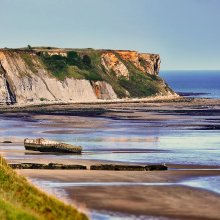
Dramatic white chalk cliffs and natural arches overlooking the English Channel. The views from the clifftop walks are some of the most striking on the entire Normandy coast.
-
Evreux
A quieter town with a beautiful Gothic cathedral and a pleasant historic center. It's also a great place to sample Normandy's famous cheeses, cider, and calvados at the local markets.
From Bayeux, you’re a short drive from:
-
The D-Day landing beaches, war cemeteries and memorials, and other WWII sites
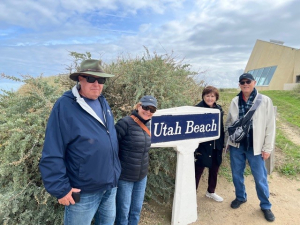
We can arrange for an expert local guide to show you the sites you're most interested in and explain the history and the events that took place there. We can even look into your own family history if you have an ancestor who fought in Normandy during the war.
-
The Bayeux Tapestry Museum
Home to the remarkable 70-meter embroidery that tells the story of the Norman Conquest of England in 1066, bringing a pivotal moment in history to life right in front of you. The town of Bayeux itself is also lovely to explore on foot.
NOTE: The Bayeux Tapestry Museum is closed for renovation work until October 2027. The Bayeux Tapestry will be loaned to the UK while its permanent home in France undergoes renovations. It will be moved to the British Museum in London for a temporary exhibition running from September 2026 to July 2027.
-
Mont Saint-Michel
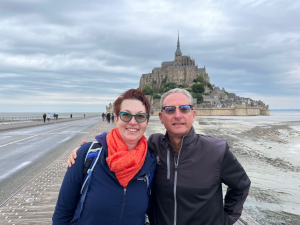
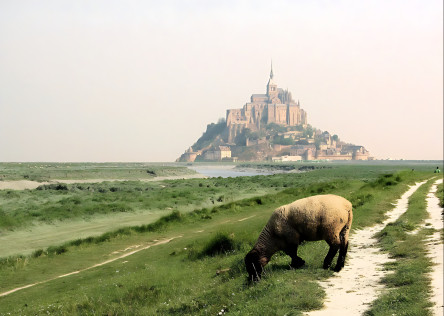
Mont Saint-Michel is a rocky islet topped by a medieval abbey. The tides here are some of the most extreme in Europe, and the bay can go from dry sand to deep water in a matter of hours.
It's been a place of pilgrimage for over a thousand years, and legend has it that the Archangel Michael himself instructed the Bishop of Avranches to build the first church here. The abbey has served as a monastery, a fortress, and even a prison over the centuries. It's one of those places that feels extraordinary no matter how many photos you've seen beforehand.
We know local guides who can help you discover Mont Saint-Michel and its history away from the busiest areas.
Day 5: Transition to Paris
The drive from Normandy to Paris takes around 2.5–3 hours. Rather than rushing straight to the city, many travelers enjoy stopping in:
- Giverny to visit Monet's garden
- Rouen, with its cathedral and medieval center
You'll drop off your rental car when you arrive in Paris.


Days 6–8: Paris
Ending in Paris means you don't need to worry about a long drive back on your last day before your flight home.
With three nights in Paris, you’ll be able to:
- Visit one or two major museums (such as the Louvre or Musée d'Orsay), as well as a lesser-known museum based on your interests
- Explore neighborhoods like Le Marais, Saint-Germain, or the Latin Quarter
- Walk along the Seine at sunset
- Enjoy markets, cafés, and smaller streets beyond the main landmarks (we’ll make recommendations in your guidebook to help you escape the tourist crowds!)
If you’re celebrating a special occasion, such as a birthday or anniversary, we can help you arrange a special activity or meal to celebrate.

Extending to 10–14 Days
Eight days gives you a meaningful introduction to both Paris and Normandy. However, if you prefer a slower pace, we recommend staying for at least 10 days.
If you can stay in France a bit longer, you’ll have more time to see and do more and immerse yourself more fully into each region. You’ll also be able to include more rest time.
Alternatively, you can add another nearby region and see even more of France during your trip.
Option 1: Add the Loire Valley
South of Normandy, the Loire Valley offers:
- More than 300 castles, including the Château de Chenonceau, Château de Chambord, and others that are less well-known but just as beautiful, such as Château de l’Islette.
- Historic towns like Amboise or Chinon
- An historic abbey or an off-the-beaten-path goats’ cheese farm that most tourists wouldn’t find on their own
- Wine-tasting and some of the best sparkling wines in France
- Some excellent cycling trails
It’s an easy addition geographically and introduces Renaissance history, vineyards, and stunning riverside scenery (the Loire Valley between Sully-sur-Loire and Chalonnes is a UNESCO World Heritage site).

Option 2: Extend to Brittany
West of Normandy, Brittany offers:
- The walled city of Saint-Malo
- The Emerald Coast
- The Pink Granite Coast
- Some gorgeous islands
- Distinct regional traditions and seafood cuisine
Plus various other wonderful places that you probably wouldn’t find on your own, but that we can help you discover!

When Is the Best Time for a Paris and Normandy Trip?
Based on experience:
- May and June offer long days and comfortable weather
- September and early October offer mild weather still and are less crowded than the peak summer months
- July and August are much busier, especially along the coast
Normandy weather can change quickly at any time of year, so check the weather forecast in advance and pack accordingly!
Do You Need to Hire a Car?
In Paris: no, it is best to explore the capital on foot or using public transportation.
In Normandy (and beyond): yes, we recommend hiring one – we take care of this for you when you book one of our self-drive tours of France.
While trains connect major towns, the most meaningful sites, especially along the D-Day beaches coastline, are far easier to access by car. It also allows you to stay in smaller towns or countryside B&Bs rather than limiting yourself to larger train-connected cities.

How We Plan Paris and Normandy Trips at France Just For You
Whether you choose an 8-day focused itinerary or a longer 10–14 day journey including the Loire Valley or Brittany, our approach is the same.
We provide:
- Carefully selected premium B&Bs and family-owned boutique hotels we know personally
- A rental car with automatic transmission and full insurance
- Some pre-booked activities and private guided tours
- A personalized France Just For You travel guidebook tailored to your trip
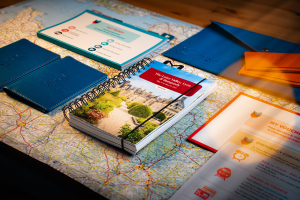
- Access to our MyFrance travel app with driving routes linked to your preferred GPS app, practical details, and your full itinerary and e-tickets.
- Support from our team while you’re in France
You'll have the freedom to explore at your own pace, knowing that everything has been arranged for you. And on your trip, we’ll just be a phone call or WhatsApp message away if you need anything.
Thinking About Your Own Paris and Normandy Trip?
If you’re deciding between an 8-day Paris and Normandy itinerary or a longer trip including additional regions, we’re happy to help you think it through.
You can browse our Paris and Normandy tour, explore longer options that include the Loire Valley or Brittany, or complete our trip-planning form below to start the conversation.
Send us your France trip-planning form
FAQs
How many days do I need for a Paris and Normandy itinerary?
A well-paced Paris and Normandy itinerary needs at least a week, allowing time for Paris highlights and several key WWII and coastal sites in Normandy. If you have 10–14 days, you can travel at a slower pace or add another region, such as the Loire Valley or Brittany, for a more varied trip.
Can I visit Normandy as a day trip from Paris?
While it’s technically possible, we don’t recommend it. A Paris and Normandy trip deserves at least two to three nights in Normandy to properly explore the highlights, such as the D-Day beaches, Bayeux, Honfleur, and the surrounding countryside, without rushing.
Do I need to rent a car for a Paris and Normandy trip?
You do not need a car while staying in Paris. However, once you leave the city, a car makes a significant difference in Normandy. Many important WWII sites and coastal towns are not easily connected by train, and driving allows you to explore at your own pace.
Is Paris and Normandy a good combination for first-time visitors to France?
Yes. A Paris and Normandy itinerary combines iconic city experiences with meaningful history and scenic countryside. It offers variety without requiring long driving distances and works especially well for travelers interested in WWII history.
When is the best time to plan a Paris and Normandy trip?
May, June, September, and early October are often ideal. These months offer comfortable weather and fewer crowds, especially in Normandy. Summer is lively but busier, particularly along the coast and at Mont Saint-Michel.